A Small Lunch Visit
- Guest wants
- A look at daily life
- Staff does
- Hosts a meal and answers practical questions.
- Afterward
- Agree on a useful next contact.
Senior Living Marketing Event Ideas
Build senior living events around real family questions. Give guests a clear reason to come and a respectful next step after the visit.
Meal visit · Care questions · Garden walk
picture daily life
hear checked answers
explore the setting
Use visits to answer real questions, then connect the event to a clear page and respectful staff follow-up. A busy room is not the same as a useful sales next step.
See The Related Work ↗Choose whom the visit helps.
Give each host a clear role.
Agree on contact afterward.

Give Each Visit A Real Purpose
Type in the cells. Use task references, not private family or care details. Your edits stay on this page until you reload; download to keep them.
| Event idea | Guest need | Staff role | Date or time | Next contact |
|---|---|---|---|---|
Small lunch visit | Daily life | |||
Care question hour | Understand support | |||
Garden walk | See spaces and access |
Swipe the table to edit more fields.
An event for active older adults needs a different purpose from a memory care family discussion. Define who should attend and what they should learn. A smaller group with a clear reason to visit may be more useful than a full room of people who do not need your offer. A cooking visit for independent living prospects and a care-questions session for adult children need different hosts, invitations, and follow-up conversations.
Invite families to see shared spaces and learn how to ask about care fit. Keep private needs out of a group discussion. Give staff a plan for questions that require a later care review. Do not turn a marketing event into medical advice or a public admission decision. A family can learn how a care review works during the event. Their parent’s personal needs belong in a separate conversation with qualified staff.

A garden walk, meal preview, or hobby session can show the setting better than a sales talk. Protect resident choice and avoid treating daily life as a performance. Guests should understand which parts of the visit reflect the usual routine and which parts were arranged for the event. If guests attend a special holiday lunch, explain how it differs from the usual meal arrangements. Useful context matters more than a perfect display.
A useful invitation states who the event is for, what happens, where to go, and how to ask for help. Check parking, access, timing, and staff cover. Give guests a direct contact if plans change. Do not hide basic details behind a long form or require unnecessary personal information. An invitation that omits the entrance or parking can create avoidable stress. Give one contact who can answer practical questions before arrival.
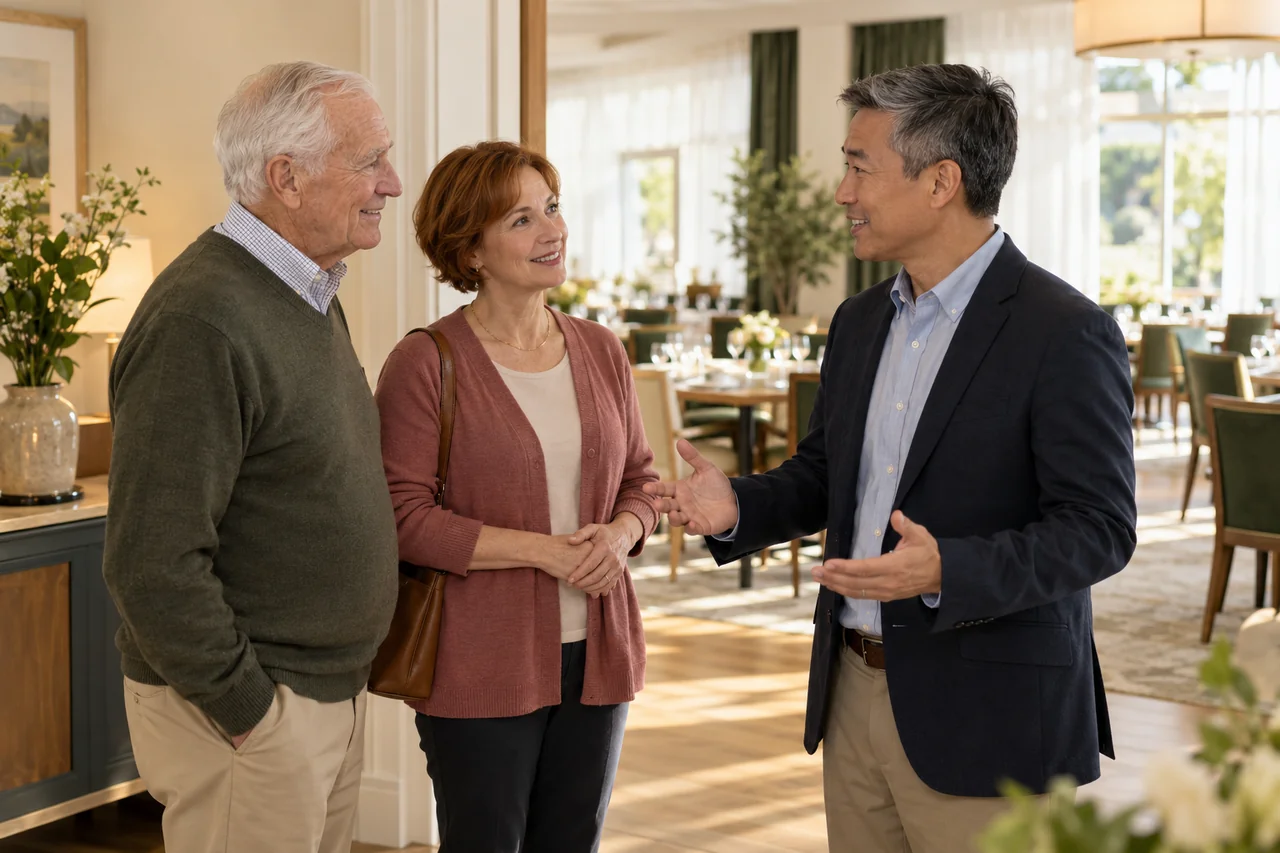
Ask visitors whether they want a call, tour, or later update. Record that choice with their questions while the visit is fresh. Thank people without assuming they are ready to move. Track the later steps separately so a large guest count does not hide a weak path to tours. For instance, someone may enjoy the event but want a cost sheet before touring. Record that request rather than automatically booking a sales call.
Clear answers before you call
Plan the invite, visit, staff work, and contact guests want afterward.
Choose one audience and one question they want answered. A small lunch can help people explore daily life. A care question hour can explain the next review step. A garden walk can show the setting. Pick the option your staff can host well with clear information and time.
An assisted living event may need more space for questions about daily help, care review, and family involvement. An independent living visit may center on homes or interests. Keep the invitation tied to the actual setting and let personal care questions move to the right private conversation.
State who the event is for, what guests will do, the time, location, and how to ask about access or arrival. Explain whether food, a group activity, or a tour is included. Give one clear way to reply so guests know what they are agreeing to attend.
Start with the space, staffing, and type of conversation you can support. A small group may be more useful when guests need time for questions. Set an attendance limit for your own event plan, rather than copying another community's crowd size or treating a full room as the goal.
Name someone to welcome guests, someone to host the planned activity, and someone to route questions. Agree who records requested next steps and who follows up. Staff should know which care or price questions need a checked answer from another team member after the event.
Offer a separate conversation with the right staff member when a guest raises personal care or payment details. Keep group discussion focused on approved general facts. Do not ask someone to share a private story to receive help, and avoid copying sensitive details into the event planning sheet.
Invite participation only when it fits the event and the resident's choice. Confirm the plan with the responsible staff and explain what guests will see. A willing conversation can help visitors understand daily life, but attendance should not turn residents into a required part of a sales presentation.
List food, materials, staff time, promotion, and any outside costs. Set a spending limit based on the event's purpose and your own capacity. Afterward, compare actual cost with useful guest conversations and agreed next steps. A low cost per attendee alone does not show whether the event helped.
Refer to the guest's question or interest and the next step they agreed to. That might be sending checked cost details, arranging a private visit, or calling later. Name the staff owner and chosen date. Avoid sending every attendee the same repeated sales message after the event.
Record attendance separately from requested calls, tours booked, and tours held. Note questions guests still need answered and whether staff completed the promised follow-up. Use the same review period for cost and outcomes. This gives your next event a practical improvement task beyond simply inviting more people.
Start with a conversation
Tell us what needs work. We’ll talk through how marketing and CRM could help your team.