Assisted Living Tour Checklist

Help Families Get More From Their Tour

Prepare staff for the questions families ask on assisted living tours. Keep care, costs, daily life, and follow-up clear from the start.

Before · During · After the visit

FIELD NOTESTheir Questions Set The Route
THE FAMILY’S VISIT
Care questionsDaily spacesCost answersNext contact
01Before / ask what matters
02During / show relevant spaces
03Questions / record what needs checking
04After / agree on one next step
YOUR WORKING COPY

Build Your Family Tour Worksheet

Type in the cells. Use task references, not private family or care details. Your edits stay on this page until you reload; download to keep them.

Family questionSpace or topic to showChecked answerFollow-up ownerAgreed action
What daily support do we need?
What does the rate include?
What would happen next?

Swipe the table to edit more fields.

Make Tour Follow-Up Easier To Keep

Use a family’s questions to guide the visit, then keep the open issue and staff next action together. We can help connect that process to your CRM.

See The Related Work ↗
YOUR FAMILY TOUR BRIEFTheir questions guide the visit.
  1. Ask what matters before arrival.

  2. Show the relevant care and spaces.

  3. Give open questions a staff owner.

A mother and daughter asking questions while walking through a community

A Tour Built Around This Family

Connect The Question To A Checked Answer

CARE

“What daily help is offered?”

→Show actual supportStaff checks the care facts.
COST

“What does the rate cover?”

→Explain the listed priceRecord questions needing a personal review.
NEXT STEP

“What happens after today?”

→Agree on the next actionName an owner and chosen date.
01 / A USEFUL NEXT STEP

Ask What The Family Needs To Learn

Before the visit, ask what prompted the search and which questions matter most. Some visitors want to understand daily help; others need cost or location details first. Explain what a tour can cover and what requires a separate care review. Let the family choose a useful route through the conversation. A daughter asking about costs and a future resident asking about daily routines may attend together. The tour should leave room for both questions.

  • Ask for the family’s top three questions
  • Explain who will host and join the visit
  • Record access needs and arrival arrangements
02 / A USEFUL NEXT STEP

Show The Spaces That Answer Questions

A route through the building should help the family understand daily life rather than simply show every room. Connect spaces to the questions raised before the visit. Be honest about what is available to see that day. Protect resident choice and privacy while giving guests a useful view of the community. If a particular room is unavailable to view, say so and explain what can be shown instead. Avoid implying that a different space is identical.

  • Choose stops that relate to the family’s interests
  • Explain which spaces or rooms are not shown
  • Ask permission before introducing residents or taking photos
A staff member explains a community activity space to an older couple with a small plain tour folder
Choose stops that relate to the family’s interests
03 / A USEFUL NEXT STEP

Explain Care And Costs With Limits

Staff should explain confirmed care facts and know when to ask a colleague. Give clear rate information with what it includes and what can change. A tour is not the same as a care assessment or admission approval. Say which questions need a later personal review and who will answer them. A posted starting rate may not be the family’s final rate. Staff should explain which needs and charges still require review after the tour.

  • Bring current checked care and price information
  • List any question needing a later review
  • Avoid quoting a final price without needed checks
04 / A USEFUL NEXT STEP

Leave Time For The Family To Talk

A tour should make room for the family to reflect. Ask what seems clear and what still concerns them. Listen without treating every concern as an objection to overcome. They may need another person involved, a second visit, or more time. Record their words carefully so follow-up answers the real question. For example, a family may like the setting but still need a sibling involved. Another visit can be more useful than repeating the sales pitch.

  • Pause after important parts of the visit
  • Ask what still needs a clearer answer
  • Record the family’s preferred next step
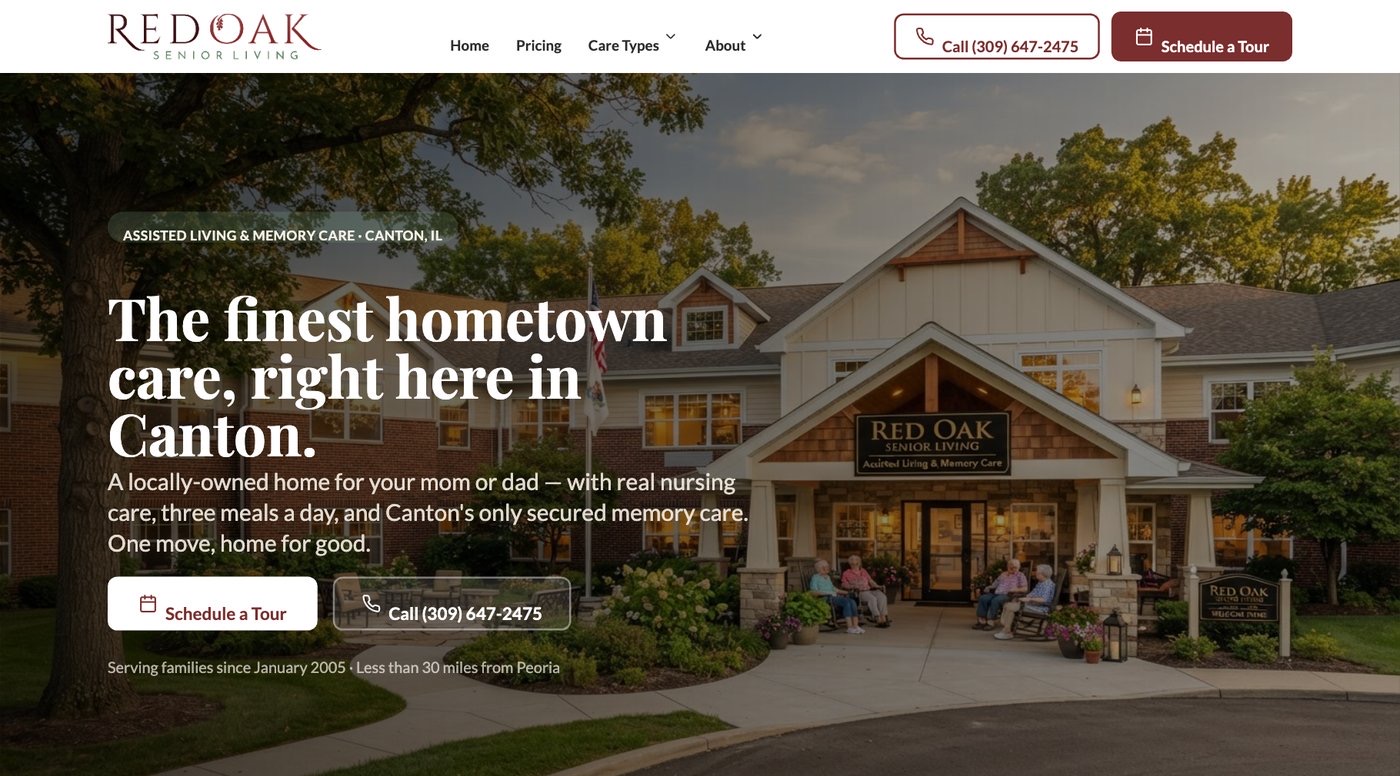
Red Oak website work
Red Oak website work showing clear community information
Pause after important parts of the visit
05 / A USEFUL NEXT STEP

Close With An Agreed Next Action

Do not end with an unclear promise to be in touch. Agree on a useful action, its owner, and a date. That action might be a cost discussion, a second tour, a care review, or a later update. Keep notes available to staff who may cover the next call. A task to send the checked cost details on Tuesday is clear enough for another colleague to cover. A note saying interested is not.

  • Name the person who will follow up
  • Set the date and contact route together
  • Track held tours separately from booked appointments

Clear answers before you call

Tour Preparation, Cost, And Follow-Up Questions

Prepare the visit, answer cost questions, and agree on useful follow-up.

What Should We Ask Before A Tour?

Ask what prompted the search, which questions matter most, who plans to attend, and what timing the family has in mind. Confirm any arrival or access needs. Explain what the tour can cover and which personal care questions require another staff conversation or review after the visit.

Which Care Questions Should Visitors Ask?

Useful questions include what daily support is offered, who reviews personal needs, and how families reach the right staff member. The host should use checked community facts and identify anything needing review. A tour helps people understand the offer, while admission and personal care decisions follow the community's process.

Which Cost Questions Belong On The Checklist?

Ask what the listed rate includes, what may cost extra, and which needs require a personal quote. Note who can give the checked answer and when. Avoid treating a starting rate as every family's final cost. Keep cost questions visible so they do not get lost after the visit.

Should Every Family See The Same Route?

Use the family's questions to choose useful stops, while explaining any spaces that cannot be shown. One person may want to see a room layout; another may need to understand daily routines. Keep the tour accurate and respect resident privacy rather than showing every space as a fixed sales script.

How Do We Prepare For Access Needs?

Confirm the entrance, parking, route, meeting point, and any visit arrangements the guest requests. Check these with the host before arrival. Clear directions belong in the confirmation message. If something cannot be arranged as requested, explain it early and discuss a useful alternative with the visitor.

Can Relatives Join From Another Location?

Ask the community what remote participation it can arrange and confirm the details before the tour. Agree which questions the remote relative wants answered and who will connect them. Respect privacy when using video in shared spaces. Record any follow-up that needs a separate call after the visit.

What If We Cannot Answer A Question?

Say what needs checking and name the staff member who will provide the answer. Record the question, owner, and agreed reply date. Avoid guessing about care, rates, or room availability. Following through on one accurate answer is more useful than giving a confident answer the community later has to correct.

Can A Tour Confirm Personal Care Fit?

A tour can show the setting and explain general support, but personal care fit and admission need the community's approved review. Tell the family who handles that step and what happens next. Keep interest in a room separate from a decision that the community can meet someone's needs.

What Should The Follow-Up Note Include?

Write the main questions, checked answers, remaining concerns, contact wishes, and next action. Name the owner and date so a colleague can continue the conversation. A specific task such as sending current rate details is more useful than a broad note that says the family seemed interested.

How Do We Review Tour Quality?

Review whether the visit happened, whether it answered the family's questions, and whether staff completed the agreed follow-up. Keep booked tours separate from held tours. Invite staff to discuss unclear facts or repeated concerns, then choose one change to make the next visit more useful.


Start with a conversation

Let’s Talk About
Your Goals.

Tell us what needs work. We’ll talk through how marketing and CRM could help your team.

  • Tell us what you need
  • Ask about marketing or CRM
  • See if we’re a good fit

Share your main concern or current tools. Leave out private resident and family details.

Local preview only. Your request stays on this computer for review. It is not sent to the team or a CRM, and no call is booked.

Checking the local preview connection…